01
Stock and location model
Define and implement stock and location model within the agreed scope, with dependencies, ownership and acceptance evidence made visible.
Inventory Management Software brings stock movement, availability, locations, purchasing and operational controls into a coherent technical and operational approach. Juan Infotech starts with the real workflow and shapes the experience, information, controls and supporting technology around the result the organisation needs.
This service is designed for warehouse, purchasing and operations teams. Scope is prioritised around the most important journeys, existing systems, information boundaries and responsibilities required to achieve more accurate and visible inventory decisions.
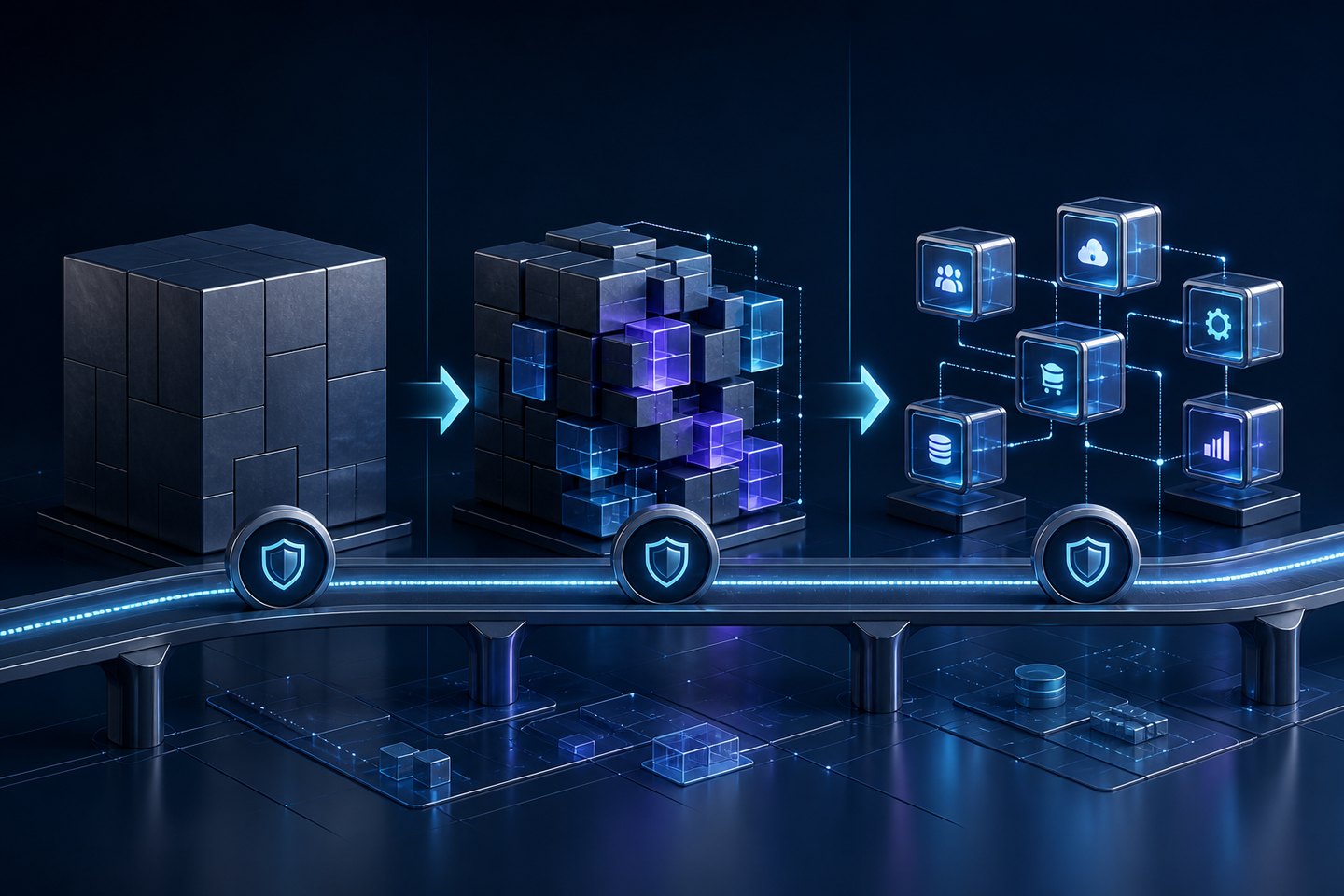
The exact scope is agreed after discovery, with dependencies and responsibilities made visible before implementation.
Define and implement stock and location model within the agreed scope, with dependencies, ownership and acceptance evidence made visible.
Define and implement receipts and issues within the agreed scope, with dependencies, ownership and acceptance evidence made visible.
Define and implement reorder workflows within the agreed scope, with dependencies, ownership and acceptance evidence made visible.
Define and implement inventory reporting within the agreed scope, with dependencies, ownership and acceptance evidence made visible.
Each phase produces something reviewable before the next commitment is made.
Map the users, records, decisions and exceptions involved in the current operation.
Turn the agreed workflow into a reviewable experience, data and permission model.
Deliver priority capabilities in controlled increments with integration and quality checks.
Validate realistic scenarios, prepare users and improve the supported solution with evidence.
Yes. Discovery reviews the current systems and identifies what should be retained, connected, improved or replaced before implementation is proposed.
Yes. Work can be organised into complete, reviewable outcomes so value, risk and learning remain visible throughout delivery.
Technology choices are based on the workflow, existing environment, security and support needs rather than a predetermined stack.